

How to Avoid Fast Fashion Pitfalls: A Practical Guide
Table of Contents
- Understanding Fast Fashion and Why It Matters
- How to Avoid Fast Fashion Pitfalls: Recognize the Red Flags
- How to Shop Ethically for Clothes
- How to Build a Sustainable Wardrobe
- How to Make Clothes Last Longer
- Alternatives to Fast Fashion That Fit Your Budget
- Responsible Disposal and Textile End-of-Life
Last Updated: October 5, 2026
Understanding Fast Fashion and Why It Matters
Fast fashion refers to clothing produced rapidly and cheaply to meet quick-changing trends. It prioritizes speed and affordability over quality and sustainability. The industry pushes new styles weekly, encouraging constant consumption and disposal of garments.
This model creates serious problems. Textile waste fills landfills. Water pollution from dye and chemical runoff harms ecosystems. Garment workers often face low wages and poor conditions. When you understand these impacts, avoiding fast fashion pitfalls becomes a choice that matters, not just for your wallet, but for the planet and people making your clothes.
At Rick's by Design, we believe fashion should feel good in every way. That means choosing pieces thoughtfully, building a wardrobe that lasts, and shopping from brands that value quality over quantity.
How to Avoid Fast Fashion Pitfalls: Recognize the Red Flags
Learning to spot fast fashion warning signs is your first defense. Red flags appear in price, construction, materials, and brand behavior.
Price that seems too good to be true usually is. A brand-new dress or jeans signals corners cut somewhere, likely in worker pay, material quality, or both. Sustainable production costs more because it values people and planet.
Check the fabric content. Fast fashion relies heavily on synthetic materials like polyester, which shed microplastics and take centuries to decompose. Look for natural fibers like cotton, linen, and wool, though note that even natural fibers have environmental impacts depending on how they're grown and processed.
Examine the construction. Turn a garment inside out. Look at seams, hems, and stitching. Quality pieces have straight, even stitching and reinforced seams. Loose threads, uneven hems, or thin fabric indicate the garment won't survive many washes.
Spot Quality Issues Before You Buy
Quality garments hold up to wear, washing, and time. Before purchasing anything, perform a quick quality check.
Feel the fabric. Cheap synthetic blends feel thin and plasticky. Quality fabrics feel substantial and natural. Run your fingers across the weave, dense, tight fabric lasts longer than loose, flimsy material.
Check seam strength. Pinch a seam between your fingers and gently pull. Quality seams resist pulling and feel secure. Weak seams separate during wear.
Look at buttons and zippers. Plastic buttons crack easily. Metal buttons last years. Zippers should glide smoothly without catching. Cheap zippers jam and break quickly.
Inspect hems and edges. Quality garments have finished hems with even stitching. Rough, unfinished edges indicate fast production and poor durability.
Consider weight and drape. Heavier fabric generally indicates better quality. Drape, how the fabric falls and moves on your body, reveals construction quality. Cheap fabric hangs stiffly or clings awkwardly.
Evaluate Brand Transparency
Trustworthy brands share information about where and how they produce clothing. Transparency signals confidence in their practices.
Research supply chain information. Ethical brands publish details about factories, worker conditions, and material sourcing. They answer questions directly. If a brand avoids these topics or provides vague answers, that's a red flag.
Look for certifications. Third-party certifications like Fair Trade, GOTS (Global Organic Textile Standard), or B Corp verify claims. These certifications require audits and accountability. Brands without certifications may still be ethical, but certifications provide independent verification.
Check their environmental claims. Greenwashing, making misleading environmental claims, is common. A brand claiming to be "eco-friendly" without specifics is vague. Look for concrete commitments: "We use 100% organic cotton" or "We offset 50% of our carbon emissions" are measurable claims.
Follow their social media and website. Do they share production stories? Do they feature the people making their clothes? Ethical brands celebrate their workers and production process. Fast fashion brands focus only on the product and trend.
How to Shop Ethically for Clothes
Ethical shopping means being intentional about every purchase. Ask yourself whether you need the item, whether it aligns with your values, and whether the brand's practices match your principles.
Make a list before shopping. Impulse purchases drive fast fashion consumption. Plan outfits and identify actual gaps in your wardrobe. Shop with purpose, not emotion.
Invest in versatile pieces. A well-made neutral cardigan works with dozens of outfits. A trendy graphic tee works with nothing else. Versatility extends the life of each piece and reduces the total number of items you need.
Choose quality over quantity. One excellent jacket you'll wear for five years beats five cheap jackets you'll discard in months. Quality pieces cost more upfront but cost less per wear over time.
Research brands before buying. Spend five minutes checking a brand's website, reading reviews, and looking for transparency. Know what you're supporting before your money goes there.
How to Build a Sustainable Wardrobe
Building a sustainable wardrobe doesn't happen overnight. Start small, choose intentionally, and let your collection grow over time.
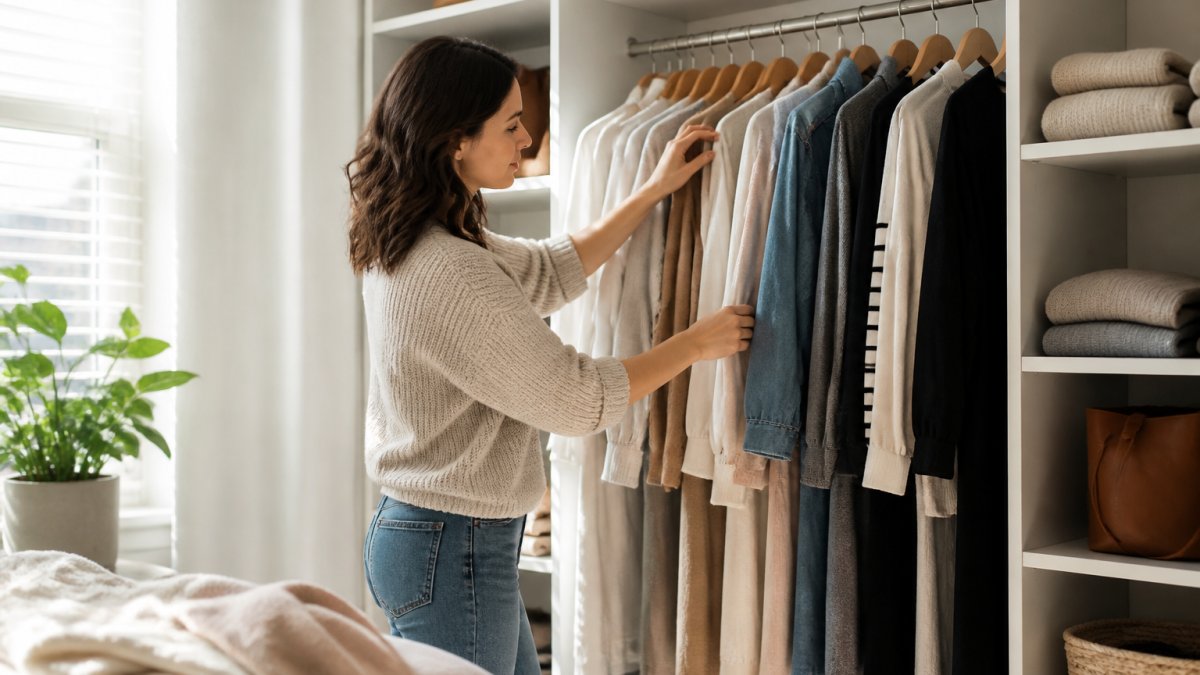
Start with Quality Basics
Basics form your wardrobe foundation. They work with everything and last for years.
Build neutral basics first. White, black, gray, and navy pieces combine endlessly. A quality white t-shirt, black pants, and neutral cardigan create dozens of outfits. The Women's Button-Down Knit Cardigan offers that versatile layering essential in multiple neutral colors.

Choose natural fibers when possible. Cotton, linen, and wool breathe better and last longer than synthetics. They age gracefully and feel better against your skin.
Invest in fit. An expensive piece that doesn't fit your body wastes money. Find brands that offer your size range and fit your proportions. Rick's by Design carries extended sizes, ensuring pieces work for diverse bodies.
Quality matters more than trend. Trends fade. Quality lasts. A classic piece you wear for five years beats a trendy piece you wear twice.
Invest in Versatile Pieces
Versatility multiplies your outfit options without adding pieces.
Choose colors that work together. Neutrals combine easily. Jewel tones layer well. Avoid colors that only match one or two other pieces.
Pick styles that work for multiple settings. The Women's Cotton-Linen V-Neck Blouse transitions from office to weekend. A well-fitted blazer works casual or professional. Pieces that adapt to different contexts get worn more often.
Prioritize silhouettes that flatter your body. You'll wear pieces that make you feel confident. Avoid trendy cuts that only work if you have a specific body type. Timeless silhouettes work for everyone.
Build layers strategically. A cardigan, jacket, and blazer layer over basic pieces. Layering extends seasonal wear and adds visual interest without buying new items.
How to Make Clothes Last Longer
Extending garment life is the most sustainable choice. Every piece you keep out of the landfill matters.
Follow care instructions. Washing cold, air drying, and gentle handling prevent damage. Read the care label and follow it. Proper care adds years to a garment's life.
Repair instead of replacing. A loose seam, missing button, or small hole doesn't mean discard the piece. Basic sewing skills fix most problems. Mending keeps clothes in rotation and saves money.
Store clothes properly. Fold knitwear to prevent stretching. Hang structured pieces. Keep clothes in a cool, dry place away from direct sunlight. Proper storage prevents damage and extends life.
Wash less frequently. Washing breaks down fabric faster. Spot-clean stains. Air out pieces between wears. Wash only when truly necessary.
Refresh tired pieces. Dyeing faded clothes gives them new life. Adding patches or embroidery changes the look. Creative refreshing keeps pieces relevant without buying new.
Alternatives to Fast Fashion That Fit Your Budget
Sustainable fashion doesn't require spending more. These alternatives often cost less while offering better quality.
Secondhand and Vintage Shopping
Secondhand shopping finds quality pieces at fraction of original prices.
Shop thrift stores and consignment shops. Local thrift stores offer unpredictable selection but amazing deals. Consignment shops curate higher-quality pieces. Both extend garment life and keep textiles in use.
Try online secondhand platforms. These platforms offer wider selection and specific searching. You can find exact styles and sizes from home.
Consider vintage pieces. Vintage items are genuinely old, usually 20+ years. They've proven durability by lasting this long. Vintage pieces add character and uniqueness to your wardrobe.
Inspect secondhand items carefully. Check for stains, tears, and odors. Verify zippers work and seams are intact. Secondhand means no returns, so inspect thoroughly before buying.
Clothing Swaps and Borrowing
Swapping and borrowing access new pieces without purchase.
Organize clothing swaps with friends. Gather friends with similar sizes. Everyone brings items they don't wear. Swap what appeals to you. Everyone leaves with new pieces free.
Use clothing rental services. Renting lets you wear pieces temporarily. Ideal for event wear or trying trends before committing. Rental costs less than purchase.
Borrow from friends and family. Before buying, ask if anyone has what you need. Many people own pieces they don't wear. Borrowing is free and builds community.
Join clothing libraries. Some communities offer libraries where you borrow clothing seasonally. It's like Netflix for clothes.
Responsible Disposal and Textile End-of-Life
Eventually, clothes wear out. Responsible disposal prevents landfill waste.
Donate wearable items. Thrift stores, shelters, and charities accept donations. Wearable clothes get second lives instead of landfill space.
Sell items online. Platforms for secondhand sales let you recoup some cost. Your unwanted piece becomes someone else's treasure.
Repurpose worn textiles. Old t-shirts become cleaning rags. Worn jeans become tote bags. Textiles can serve new purposes before disposal.
Textile recycling programs. Some communities offer textile recycling. Worn-out textiles get processed into new materials instead of landfill. Check local options.
Avoid throwing away wearable clothes. Landfills are the worst destination for textiles. They take centuries to decompose and release methane. Any alternative, donation, sale, repurposing, is better.
Learning how to avoid fast fashion pitfalls transforms how you shop and what you wear. It starts with recognizing red flags, evaluating brand practices, and choosing quality over quantity. At Rick's by Design, we've curated pieces designed to last and make you feel confident. Our collection includes quality basics like the Women's Classic Denim Jacket and versatile layers such as the Women's Button-Down Knit Cardigan, pieces that work season after season. Start building your sustainable wardrobe with intention, invest in pieces that reflect your values, and watch your closet become a collection you actually love wearing.
