

Choosing the Right Work Bag for Your Commute
Quick Summary
The right work bag depends on how you travel. Walking favors a backpack or a wide padded strap, cycling needs hands-free stability, driving allows structured totes, and transit calls for a fully closing zip top. Pick the carry style and features that match your most demanding leg, and size the bag about a fifth larger than your daily load.
- Start by noting how far you carry the bag, your transport, and what you bring daily.
- Backpacks spread weight across both shoulders, suiting long walks and busy transit.
- Weigh your loaded bag on a bathroom scale to check your real carried load.
- Keep the laptop sleeve near the back panel, close to your body, for stability.
- Test comfort by loading the bag with real items and walking a commute-length route.
Table of Contents
- How Your Commute Shapes the Right Work Bag
- Backpack vs. Briefcase vs. Tote: Which Carry Style Fits Your Day
- Finding the Best Bags for Commuting to Work
- Laptop Protection: Choosing a Ladies Work Bag With Laptop Compartment
- Organization Matters: Ladies Work Bag With Compartments
- Comfort, Weight and Carry Length on Your Daily Route
- Matching Your Next Work Bag to Your Commute This Week
- Frequently Asked Questions
Choosing the Right Work Bag for Your Commute
Last Updated: November 11, 2026
How Your Commute Shapes the Right Work Bag
A work bag is only useful if it fits the way you actually travel. Most bag roundups list features without tying them to a route, so start with the route and let it narrow the options.
Before you look at any bag, answer three questions about your commute. How far do you carry it in a typical day? What transport do you use, and how many transfers or stretches of standing or walking does it involve? What do you need to bring on an ordinary workday, including any days you carry extra?
Each commute mode pushes a different feature to the top of the list:
- Walking. Every extra pound is felt over distance, so weight, strap padding, and the shape of the bag against your back matter most. A backpack or a bag with a wide, padded strap usually distributes load better than a thin handle over a 20-minute walk.
- Cycling. Hands must stay free and the bag must stay stable on your back or rack. A backpack with a sternum strap or a rear-rack-compatible pannier keeps the load from shifting while you turn. Avoid anything that swings into your hip.
- Driving. Weight barely matters, so prioritize size, easy access from the passenger seat, and a structured shape that stands up without sliding. A structured tote or a small hard-bodied briefcase works well here.
- Public transit. Security and crowd handling take priority. A zip top closes fully, and a bag that stays against your body in a packed car resists being bumped or opened. Consider a bag with a lockable zipper or a concealed pocket for valuables, and keep it in front of you in crowded spaces rather than on one shoulder behind you.
When two modes apply, for example driving to a station and then riding transit, weigh the more demanding leg more heavily. A bag that is comfortable for a walk but awkward on a train will be the one you resent.
Your daily load then sets the minimum size. Count the laptop, charger, lunch, water bottle, and any gym or change items you carry on a regular basis. Round up by about a fifth rather than down, because a bag that is always full wears out its seams and zippers faster and makes every commute harder.
Backpack vs. Briefcase vs. Tote: Which Carry Style Fits Your Day
Each carry style has clear strengths. The right one depends on how you move through your day.
A backpack spreads weight across both shoulders. It suits long walks and busy transit. A briefcase looks formal and keeps papers flat, but it can feel heavy by the end of the day. A tote offers quick access and room for bulky items, though it puts all the weight on one shoulder.
For a sling or crossbody style, the London Oversized Canvas Crescent Sling Bag is a concrete option to consider. It is designed to be worn across the body and keeps everyday essentials easy to reach. The Women's Nylon Shoulder Tote Bag is a practical pick if you prefer a tote with a clean, structured shape for daily essentials.
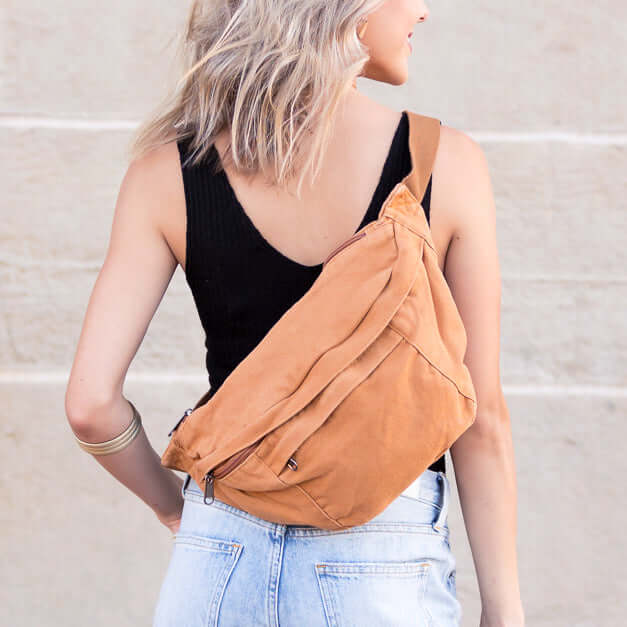
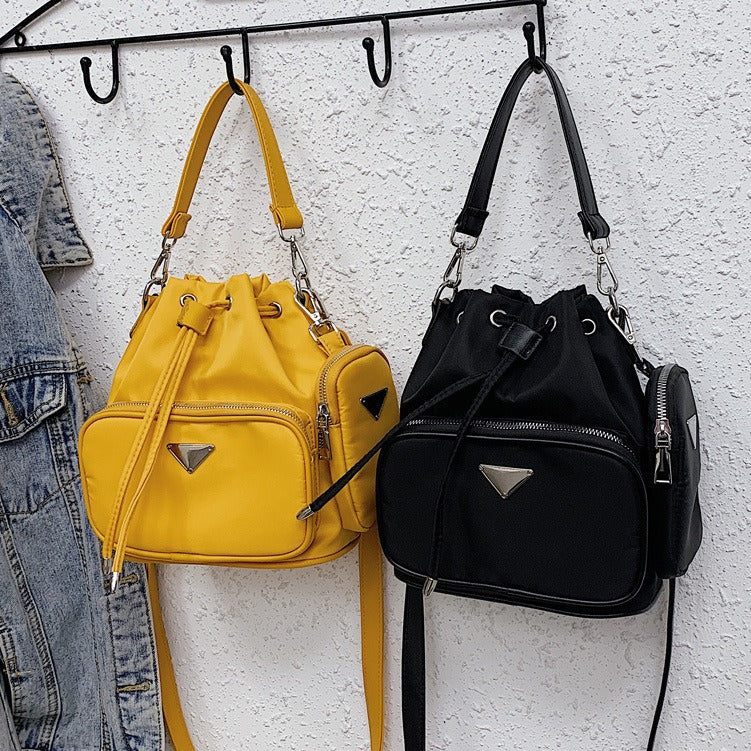
The three carry styles trade off weight distribution, formality and access in different ways.
| Carry style | Best for | Key difference |
|---|---|---|
| Backpack | Long walks and busy transit | Spreads weight across both shoulders |
| Briefcase | Formal settings | Keeps papers flat but can feel heavy by day's end |
| Tote | Quick access and bulky items | Puts all weight on one shoulder |
Finding the Best Bags for Commuting to Work
The best bags for commuting to work share a few traits. They have structured bodies that hold their shape, closures that stay shut, and interior space that keeps items from shifting.
When you compare options, check these details:
- Interior dimensions and whether they fit a laptop
- Strap length and padding
- Closure type (zip, magnetic snap, or flap)
- Material and how it handles rain or spills
A bag that looks good in photos can still fail on a crowded platform. Test the feel by loading it with your usual items before you commit.
Laptop Protection: Choosing a Ladies Work Bag With Laptop Compartment
A dedicated laptop sleeve protects your device from bumps and pressure. Look for padding on the back panel and a sleeve that holds the laptop upright rather than letting it slide.
Keep the laptop away from the bottom of the bag, where pressure from heavier items can build up. A sleeve near the back panel, close to your body, adds stability and reduces strain on your shoulders.
Organization Matters: Ladies Work Bag With Compartments
Compartments keep your commute running smoothly. The accessories styling guide for work shows how bags fit into a full workday look. When your keys, phone, and cards each have a place, you spend less time digging.
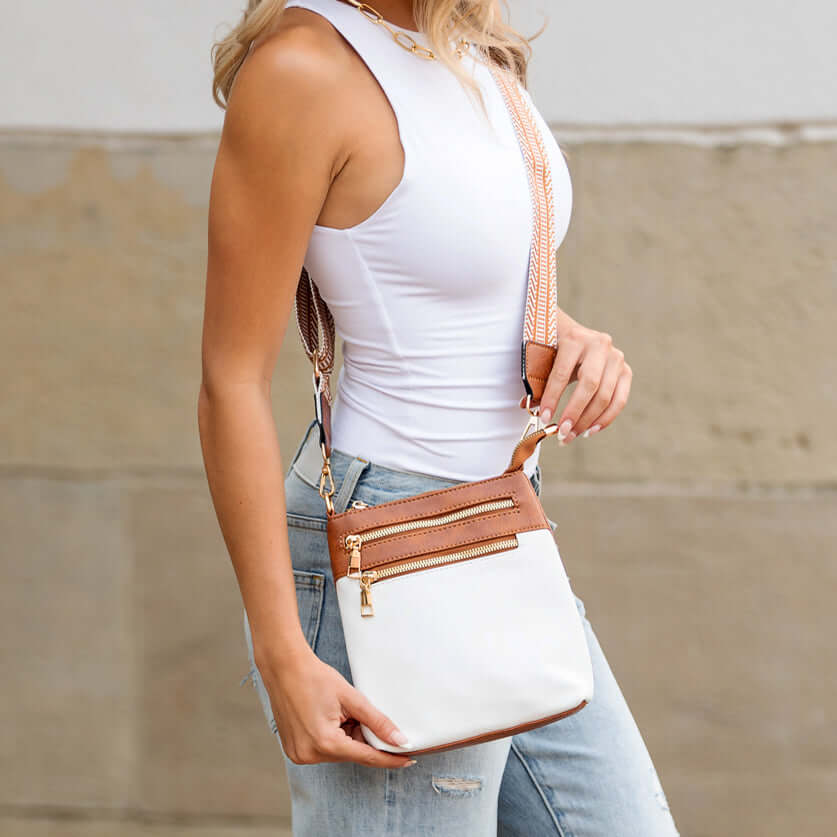
The Danica Vegan Leather Crossbody Purse is a compact option with two small exterior zip pockets for quick-access items and an interior with four card slots. It suits commuters who carry fewer items and want everything in reach. For a bigger workday load, a tote with an interior zip pocket gives you a separate space for valuables.
Comfort, Weight and Carry Length on Your Daily Route
Comfort decides whether you keep using a bag. A bag that feels fine for ten minutes can cause shoulder or lower-back strain after a long walk or a full day of standing, and the problem usually comes from fit and load distribution rather than the bag's total weight alone.
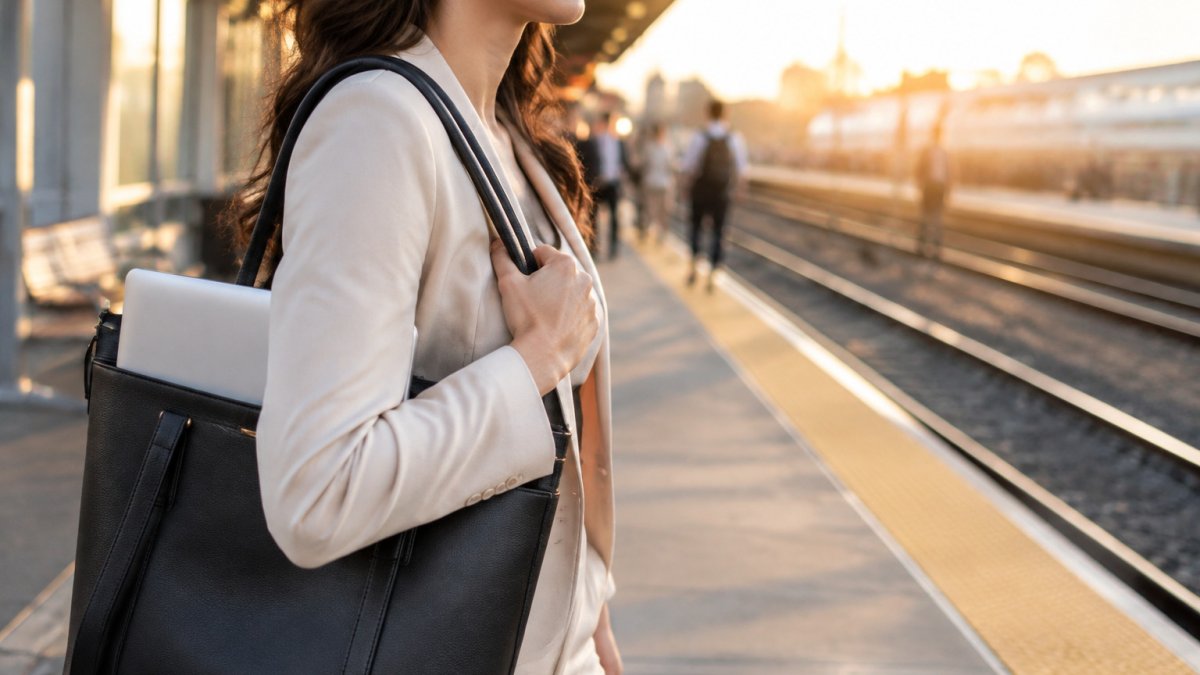
Start with the load. Keeping the carried load light and close to the body reduces strain on the shoulders and back over a commute. Check your real number by packing the bag the way you normally do and weighing it on a bathroom scale. Many people are surprised to find they carry far more than they assumed.
Fit comes next. Adjust the strap so the bag sits high on the back, with the bottom roughly at the level of your waist, rather than letting it hang low where it pulls on your shoulders. On a backpack, tighten the hip belt if it has one so that part of the weight transfers to your hips. A sternum strap, where present, stops the shoulder straps from sliding outward during a fast walk.
Carry-length adjustments matter too. Shoulder-carried bags should have a strap long enough that the bag rests against your hip or lower back without swinging, because swinging adds repeated force on the strap and shoulder with every step. If the strap cannot be adjusted, a crossbody or backpack configuration usually fits more people than a single-shoulder tote.
You can test comfort before you commit. Load the bag with your real items and walk a route similar to your commute, ideally for at least 15 minutes. Switch shoulders halfway through to see whether the bag feels balanced or pulls to one side. If the bag is comfortable empty but uncomfortable loaded, the frame or strap padding is probably the weak point.
Watch out: a bag that is light when empty can still feel heavy once it holds a laptop and a day's supplies, so judge comfort with the load you will actually carry, not with an empty bag on a shop floor.
Matching Your Next Work Bag to Your Commute This Week
Before you buy, spend one week noting what you carry and how far you walk. Then compare that list against the bag's size, closure, and strap length.
Rick's by Design carries several bags suited to commuters. Browse the options and choose the one that fits your route and your daily load. Start with the carry style that matches how you travel, then pick the features that solve your biggest daily frustration.
Frequently Asked Questions
How do I choose the right work bag for my commute?
Start with your route and load. Note how far you walk, whether you use transit, and what you carry daily, including laptop, lunch and a water bottle. A short walk with a light load suits a tote or slim briefcase. A longer walk or crowded train favors a backpack that distributes weight across both shoulders. Then check that the bag fits your daily essentials without overpacking, since an overloaded bag becomes uncomfortable within a few blocks.
What type of bag is best for commuting to work?
No single style wins for every commute. Backpacks suit longer walks and transit because they keep weight centered and leave hands free. Totes offer easy access and a polished look for short commutes by car or a brief walk. Briefcases give structure and a formal appearance but tend to be heavier and less comfortable over distance. Many professionals own one of each and rotate by day.
What should I look for in a work bag with a laptop compartment?
Look for a padded sleeve that holds your laptop snugly so it does not shift, placed against the back panel where it sits closest to your body. Check that the compartment fits your device size with a little room for the charger. A zip closure protects the laptop from being pressed by other items, and a separate sleeve keeps it apart from keys and water bottles.
How do I choose a work bag with enough compartments?
Plan your essentials before you shop. A bag with one main compartment plus a zip pocket and a few slip pockets handles most commutes. Look for a dedicated spot for your phone, keys and wallet so you do not dig through the main space each morning. More compartments help only if you use them; a simple layout you can reach without searching often works better than a cluttered one.