

How to Find Long-Lasting Women's Shoes That Last
Last Updated: November 22, 2026
Quick Summary
Long-lasting women's shoes are built with a stitched or cemented sole, a rubber outsole, and an upper that can be cleaned and re-worn, rather than glued together from thin materials meant to survive a single season. Check the sole, heel counter, and stitching before you buy, and rotate pairs to extend their life.
- Welted construction, where the upper is stitched to a replaceable midsole, is the gold standard for repairability.
- Press your thumb into the midsole: firm and springy holds up, while hollow foam packs down within weeks.
- Bend the shoe at the ball of the foot; flexing through the middle means a weak shank.
- Rotating two pairs can extend the calendar life of each because foam needs time to recover between wears.
- Air dry shoes at room temperature and never on radiators, since direct heat cracks leather and warps soles.
Table of Contents
- What Separates Long-Lasting Women's Shoes From Fast Fashion
- The Most Durable Shoes for Everyday Wear Start With Construction
- Best Shoes for Walking and Standing All Day
- How Long Should Quality Shoes Last?
- A Practical Inspection Checklist Before You Buy
- Fit, Sizing, and Return-Policy Checks for Online Orders
- How to Care for Shoes to Make Them Last
- Shop Durable Everyday Pairs at Rick's by Design
What Separates Long-Lasting Women's Shoes From Fast Fashion
Long-lasting women's shoes are built with a stitched or cemented sole, a rubber outsole, and an upper that can be cleaned and re-worn, rather than glued together from thin materials meant to survive a single season.
A pair that feels fine in the store can start separating at the toe or flattening at the heel long before the upper looks worn.
This buying guide breaks down what actually determines shoe lifespan, how to inspect a pair before you commit, and how to make the shoes you own last longer.
The Most Durable Shoes for Everyday Wear Start With Construction
The most durable shoes for everyday wear share three traits: a sole that can be replaced or at least re-glued, a firm heel counter that holds its shape, and an upper made from a material that flexes without cracking. Everything else is secondary.
Walk into any shoe department and press your thumb into the side of the sole. If it caves in easily, the midsole foam is thin and will pack down fast.
Sole, Tread, and Materials That Decide Shoe Lifespan
Shoe construction is the way the upper is attached to the sole, and it decides whether a shoe can be repaired at all. Welted construction, where the upper is stitched to a midsole that can be replaced, is the gold standard for repairability.
Materials matter just as much. Full-grain leather molds to the foot and resists cracking. PU leather and polyester uppers cost less and clean up easily, but they tend to crease and peel over time.
Best Shoes for Walking and Standing All Day
The best shoes for walking and standing all day combine cushioning under the heel, a supportive arch, and enough flexibility to let your foot roll naturally. A shoe that's too stiff tires your calves; one that's too soft leaves your arches aching by mid-afternoon.
For readers planning a trip or a job that keeps them on their feet, a dedicated walking shoe guide is worth reading before you buy. Our team put together a deeper breakdown on how to find comfortable walking shoes for travel that covers mileage, break-in time, and what to pack.
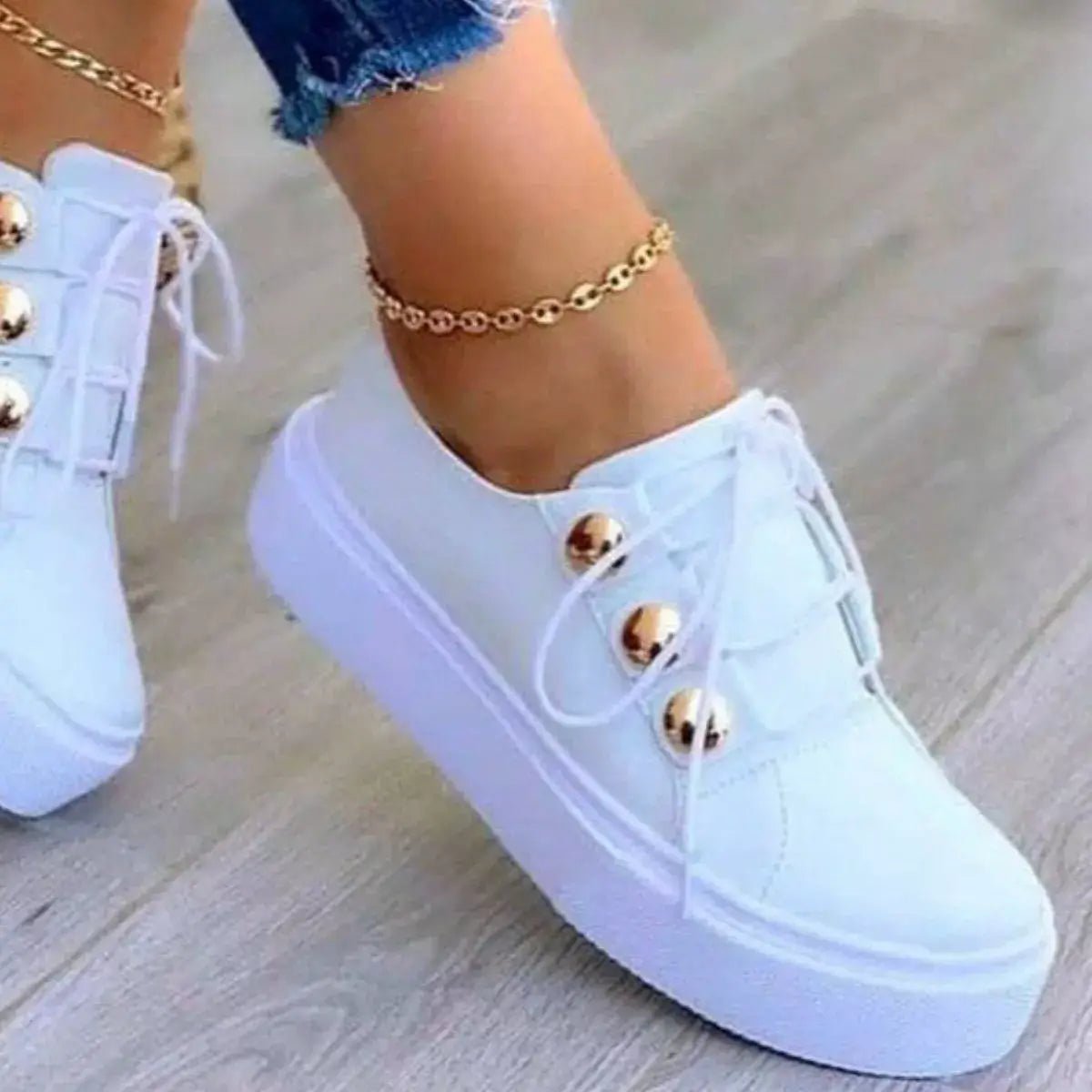
Cushioning, Arch Support, and Flexibility
Cushioning should be thickest at the heel and ball of the foot, the two spots that take the most impact. Press down on the insole: if it springs back quickly, it will hold up; if it stays compressed, it won't.
Arch support doesn't need to be aggressive. A slight rise under the midfoot is enough for most wearers. Flexibility matters too: bend the shoe at the ball of the foot. It should give easily there while staying firm through the middle, which is where a flimsy shoe collapses.
How Long Should Quality Shoes Last?
How long quality shoes last depends mostly on mileage, surface, and how often each pair rests, and longer if you rotate pairs and care for the uppers.
A useful way to think about it is in miles and hours rather than months.
Set expectations by use case:
- Walking and commuting shoes. Expect the outsole and cushioning to be the first things to go. Rotating two pairs can extend the calendar life of each, because foam needs time to recover between wears.
- Work shoes worn standing all day. The heel and ball compress fastest. Watch for a flattened insole and a heel counter that softens before the upper shows wear.
- Casual everyday shoes. Uppers often outlast soles. If the sole is cemented and thick, a re-glue can add a season; if it is thin foam, plan to replace.
- Dress shoes. With a stitched or welted sole and regular conditioning, the upper can outlast several sole replacements, which is where repairability pays off.
Several factors shorten shoe lifespan more than people expect:
- Daily use without rotation. Wearing the same pair every day doesn't let the foam recover between wears.
- Wet conditions. Water breaks down glue bonds and stretches leather; repeated soakings are worse than one.
- Storage. Shoes stuffed in a hot closet or left in a car crack and warp.
- Weight and gait. Heavier wearers and those who pronate put more stress on one side of the sole.
- Surface. Concrete and asphalt wear tread far faster than carpet, tile, or gym floors.
Cost per wear is the honest way to compare, and it is where repairability changes the math.
Watch out: treating any single lifespan figure as a rule ignores mileage and surface, so a pair worn hard on pavement can fail well before a lightly worn pair.
A Practical Inspection Checklist Before You Buy
Run this checklist before you commit to any pair, online or in person.
- Flex test: Bend the shoe at the ball of the foot. It should flex there, not through the middle. Flexing through the middle means the shank is weak and the arch will collapse under load.
- Sole press: Push your thumb into the midsole. It should feel firm and springy, not hollow. A sole that caves in easily has thin foam that will pack down within weeks.
- Tread check: Look at the outsole pattern. Deeper grooves last longer than shallow ones, and a defined rubber outsole under the foam is what actually touches the ground.
- Seam inspection: Tug gently at the stitching where the upper meets the sole. Loose threads or visible gaps mean a weak bond that will separate at the toe first.
- Heel counter: Squeeze the back of the heel. It should hold its shape, not fold flat. A soft counter lets the heel slip and wears the lining through.
- Material feel: Leather should feel supple, not plasticky. PU should feel thick, not papery. Thin uppers crease and peel long before a thicker one does.
- Insole check: Confirm the insole is removable, which makes replacement and drying easier and lets you add support if you need it.
- Repairability: Ask whether the sole can be re-glued or replaced. If not, plan for a shorter lifespan.
That last point is the one most shoppers skip, and it is where this checklist goes beyond a generic list.
For online orders, you cannot press a thumb into the midsole, so use the listing and the return window as your inspection.
Here is the pre-purchase checklist at a glance, with what each check tells you about how the shoe will age.
| Check | What to do | What it tells you |
|---|---|---|
| Flex test | Bend at the ball of the foot | Flexing through the middle means a weak shank |
| Sole press | Push thumb into the midsole | Firm and springy holds up; hollow caves in |
| Tread check | Look at the outsole pattern | Deeper grooves last longer than shallow ones |
| Seam inspection | Tug stitching where upper meets sole | Loose threads or gaps mean a weak bond |
| Heel counter | Squeeze the back of the heel | Should hold shape, not fold flat |
| Material feel | Feel leather or PU upper | Supple leather and thick PU resist creasing |
| Insole check | Confirm the insole is removable | Easier replacement, drying, and added support |
| Repairability | Ask if the sole can be re-glued or replaced | If not, plan for a shorter lifespan |
Fit, Sizing, and Return-Policy Checks for Online Orders
Fit is the most common reason online shoe orders go back, and sizing charts are the biggest culprit.
A common mistake is ordering your usual size out of habit. Makers vary, and overseas-made footwear can run small compared with standard sizing.
Before you check out, read the returns and refunds policy so you know the window and the process. Contact the shop first within 30 days if you need to return a pair, and the team will walk you through the process.
How to Care for Shoes to Make Them Last
Caring for shoes comes down to three habits: clean them before dirt sets, dry them away from heat, and rest them between wears. These habits add months to a pair's life at almost no cost.
- Wipe after wear. A soft damp cloth removes grit before it grinds into seams.
- Air dry, never radiators. Direct heat cracks leather and warps soles. Stuff with newspaper and let them dry at room temperature.
- Rotate pairs. Alternating footwear gives foam and leather time to recover.
- Condition leather. A light conditioner keeps full-grain leather from drying out and creasing.
- Store cool and dry. Away from sunlight and heat, ideally on a shelf rather than the floor.
- Re-glue small separations early. A tiny gap at the toe is easy to fix; a full sole peel is not.
Watch out: soaking shoes in water or scrubbing them with harsh cleaners can break down adhesives and finishes.
Shop Durable Everyday Pairs at Rick's by Design
Durability doesn't have to mean a high price. At Rick's by Design, we're a small, real-person shop that prices for working people, not boutiques. Most pieces are under $90, plenty under $50, and plus-size styles up to 5X cost the same as every other size.
If you want a pair that handles errands, commutes, and long days on your feet, start with our round-toe platform sneakers in durable PU leather with a rubber sole, or browse our casual flat slip-ons for lightweight everyday wear. Read our brand story to see how we choose pieces.
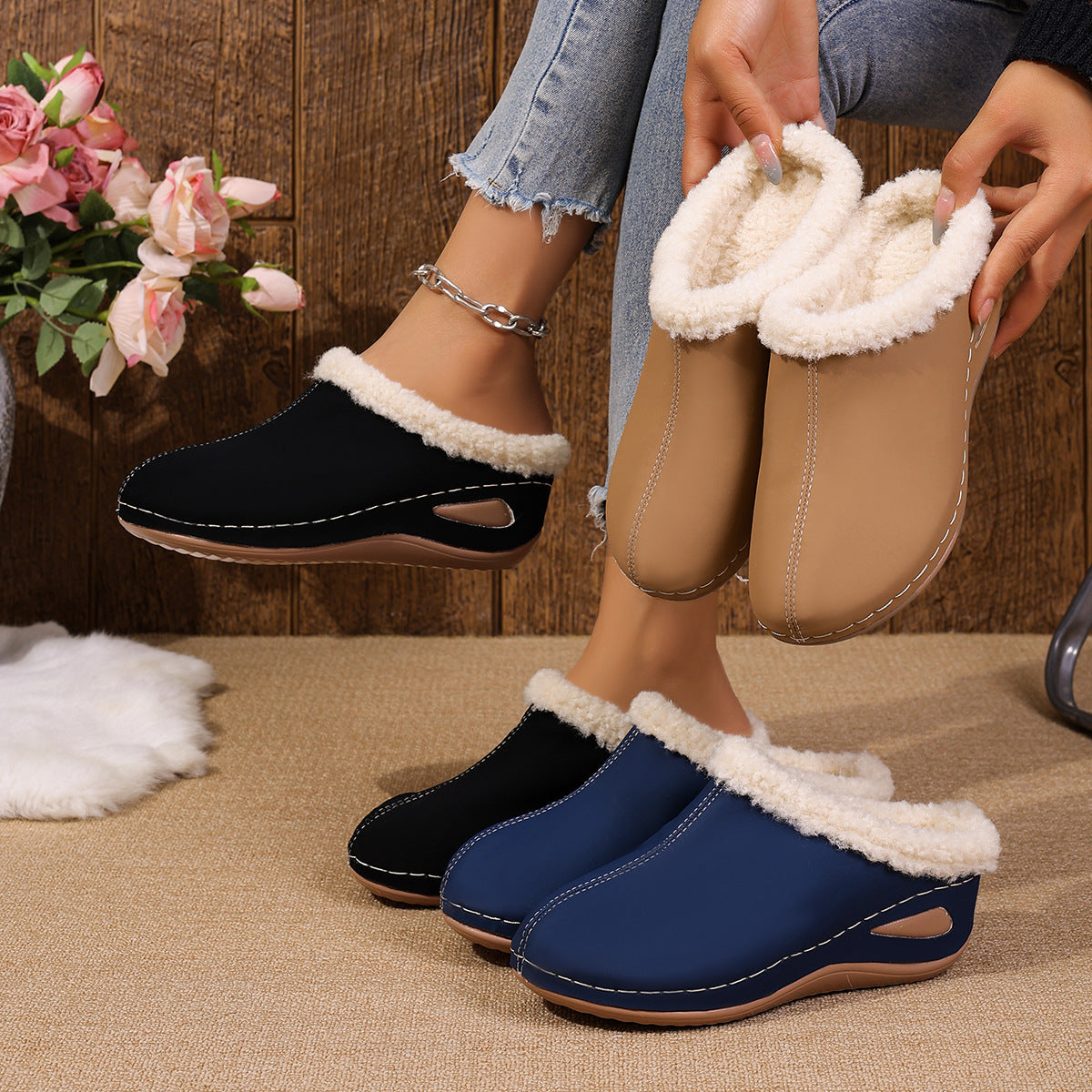
Finding shoes that hold up takes a little inspection and a lot of honesty from the shop selling them. We'd rather lose a sale than promise a delivery window we can't hit or hide a sizing quirk in the fine print.