Are High-Quality Denim Jeans Worth the Investment?
Quick Summary
High quality denim is worth the investment when you measure cost per wear rather than price. Carefully constructed denim holds its shape, resists seam tearing, and can cost less per wear over its lifespan than a cheaper pair that wears out quickly.
- Divide purchase price by realistic expected wears to compare pairs fairly.
- Check fabric weight by pinching a fold; it should feel substantial, not papery.
- Inspect double-stitched seams at the crotch, inseam, and back pockets.
- Choose denim that keeps its shape through a full day of sitting and walking.
- Wash less often and turn jeans inside out to extend their life.
Table of Contents
- Why High Quality Denim Is Worth Considering
- Benefits of Investing in High Quality Denim: Durability, Fit and Comfort
- Cost Per Wear: Why Better Jeans Can Cost Less Over Time
- How to Tell If Jeans Are Good Quality
- Benefits of Selvedge Denim and How It Compares
- Raw Denim vs Regular Denim: Which Suits Your Wardrobe
- How to Care for Denim Jeans So They Last
- Choosing Your Next Pair of Denim at Rick's by Design
Are High-Quality Denim Jeans Worth the Investment?
Last Updated: November 22, 2026
Why High Quality Denim Is Worth Considering
Benefits of investing in high quality denim become clear once you look at how a pair is actually made. Denim that is cut and sewn carefully tends to hold its shape and outlast cheaper pairs that stretch out of shape after a few months.
A quality pair is also a practical choice for a working wardrobe. Dark, structured denim moves easily from the office to a dinner out, and that versatility is part of its value. The rest of this guide looks at durability, fit, cost per wear, and how to tell good denim from poor denim before you buy.
Benefits of Investing in High Quality Denim: Durability, Fit and Comfort
The main benefits of quality denim fall into three areas: how long it lasts, how it fits, and how it feels day to day.
- Durability. Tighter weaves and stronger stitching resist tearing at the seams, especially at the crotch and back pockets, where stress is highest.
- Fit that holds. Well-cut denim keeps its shape through a full day of sitting and walking instead of bagging at the knee.
- Comfort. Softer, better-finished fabric feels pleasant against the skin, so you reach for the pair more often.
Sizing deserves attention too. Overseas-made clothing often runs one to two sizes small compared to US sizes, so check the size chart against your own measurements rather than ordering your usual size. Where a style runs small, the listing says so, and ordering one size up is the suggestion.
Cost Per Wear: Why Better Jeans Can Cost Less Over Time
Cost per wear is the simplest way to test the investment claim. Divide the purchase price by the number of times you realistically expect to wear the pair. The arithmetic is easy; the hard part is being honest about lifespan.
A worked example makes the comparison concrete. Suppose a lower-cost pair costs $30 and lasts about 40 wears before the seams give out or the fabric bags permanently. That is roughly $0.75 per wear. A better-constructed pair at $120 that lasts 400 wears comes out to about $0.30 per wear. The premium pair costs four times as much up front but less than half as much per wear. Change the lifespan assumptions and the ranking can flip, which is why the wear count matters more than the sticker price.
Construction, fabric weight, and care routine tend to drive the wear count more than brand name. A heavier fabric with reinforced stress points and a clean seam finish tends to survive more wash cycles. Care matters too: washing less often and turning jeans inside out can add years of wear to any pair.
Watch out: cost per wear only works if you actually wear the pair. A premium pair that hangs unworn because the fit is wrong costs more per wear than a cheap pair you reach for daily. Buy for fit and lifestyle first, then let construction justify the price.
To compare candidates, estimate three numbers for each: purchase price, expected wears per week, and expected years of service. Multiply wears per week by 52 by years, then divide price by that total. A pair worn twice a week for three years gives about 312 wears; at $120 that is roughly $0.38 per wear. Run the same math on the cheaper alternative and the gap usually shows up in the years, not the price tag.
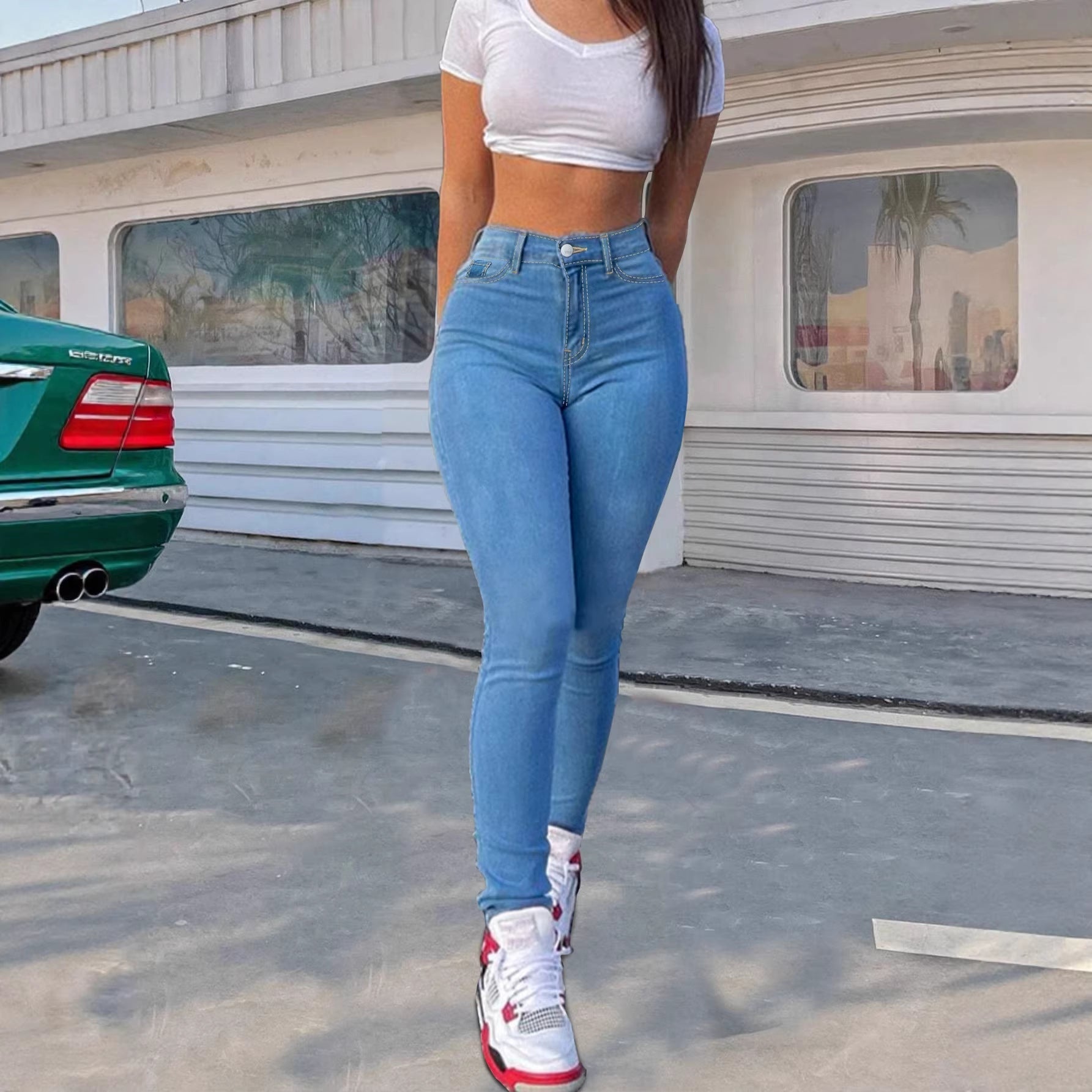
Our Women's High-Waist Skinny Jeans are built for repeat wear, and the product page lists fabric and fit details to help you compare before you commit.
The worked example below compares the two pairs on cost per wear, so the arithmetic is easy to scan.
| Pair | Purchase price | Expected wears | Cost per wear |
|---|---|---|---|
| Lower-cost pair | $30 | About 40 | Roughly $0.75 |
| Better-constructed pair | $120 | About 400 | About $0.30 |
How to Tell If Jeans Are Good Quality
Quality shows in a few places you can check in the store or on a product page. Use this checklist as a repeatable routine rather than a one-time inspection.
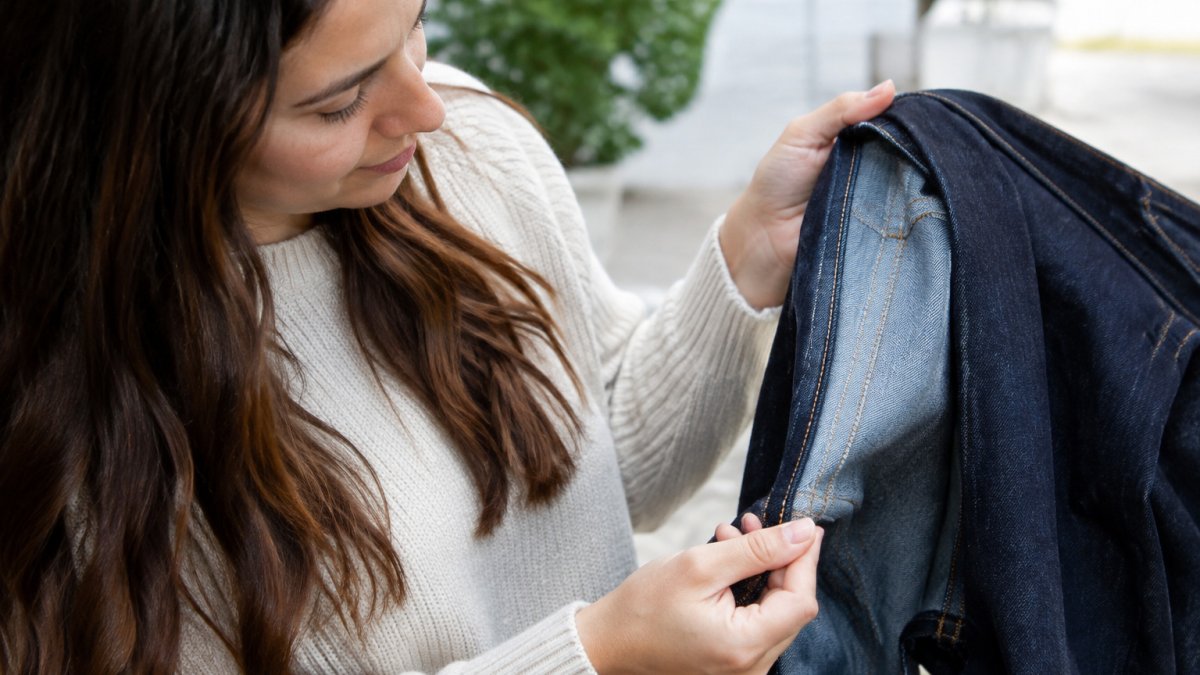
Fabric. Good denim feels substantial, not thin or papery. Pinch a fold between thumb and forefinger; it should have body and a slight stiffness that softens with wear. Check the fabric content: a small amount of stretch helps comfort and movement, but the fabric should still hold its shape. A high stretch percentage with a thin hand feel often signals a pair that will bag at the knee.
Stitching and seams. Stitching should be even, tight, and free of loose threads. Look for double-stitched or chain-stitched seams at the crotch, inseam, and back pockets, where stress is highest. Run your fingers along the inside leg and crotch; a flat, clean seam finish resists chafing and tearing better than a raw or bulky one.
Hardware and closure. A zipper or button fly should sit flat and close smoothly. Buttons should be firmly attached, and rivets at pocket corners should be flush, not loose. Cheap hardware tends to catch, wobble, or pull through the fabric over time.
Fit and patternmaking. Try the pair on if you can, or read the size chart against your own measurements. A well-cut pair keeps its shape through a full day of sitting and walking instead of bagging at the knee. Check the rise, leg shape, and waistband placement against your body proportions; a good patternmaker accounts for how the garment moves, not just how it looks flat.
Finishing. Look at the hem, waistband, and pocket bags. Clean, even topstitching and a lined or reinforced waistband signal attention to detail. Read the care label too; a pair that requires delicate handling may not suit a busy routine.
Watch out: a high price is not proof of quality. Some premium-priced pairs cut corners on seam finish or hardware, and some mid-priced pairs are built well. Use the checklist, not the price tag, as your filter.
For a closer look at how our denim is cut and finished, browse the collection and compare the fabric and construction details on each style.
Benefits of Selvedge Denim and How It Compares
Selvedge denim is woven on traditional shuttle looms, which produce a narrower fabric with a finished edge. That edge, often visible as a colored line on the cuff, is why the term "selvedge" is used.
Selvedge is not automatically better than other denim, and a well-made modern denim can perform just as well for everyday wear. Choose selvedge if you value the heritage construction and the look of gradual fading. Choose a comfortable, durable modern cut if your priority is everyday fit.
Raw Denim vs Regular Denim: Which Suits Your Wardrobe
Raw denim is unwashed or lightly processed after dyeing. Regular denim is pre-washed.
Raw denim suits buyers who enjoy breaking in a pair and building personal fading over months of wear. Regular denim suits anyone who wants comfort from the first day, or who wants a pair that works for busy schedules. Most wardrobes benefit from having one of each, depending on the occasion.
How to Care for Denim Jeans So They Last
Good care extends the life of any pair, so the investment pays off longer. Follow the garment care label first, then use these habits:
- Wash with similar colors on a denim-appropriate setting.
- Avoid bleach and harsh detergents.
- Wash less often.
Choosing Your Next Pair of Denim at Rick's by Design
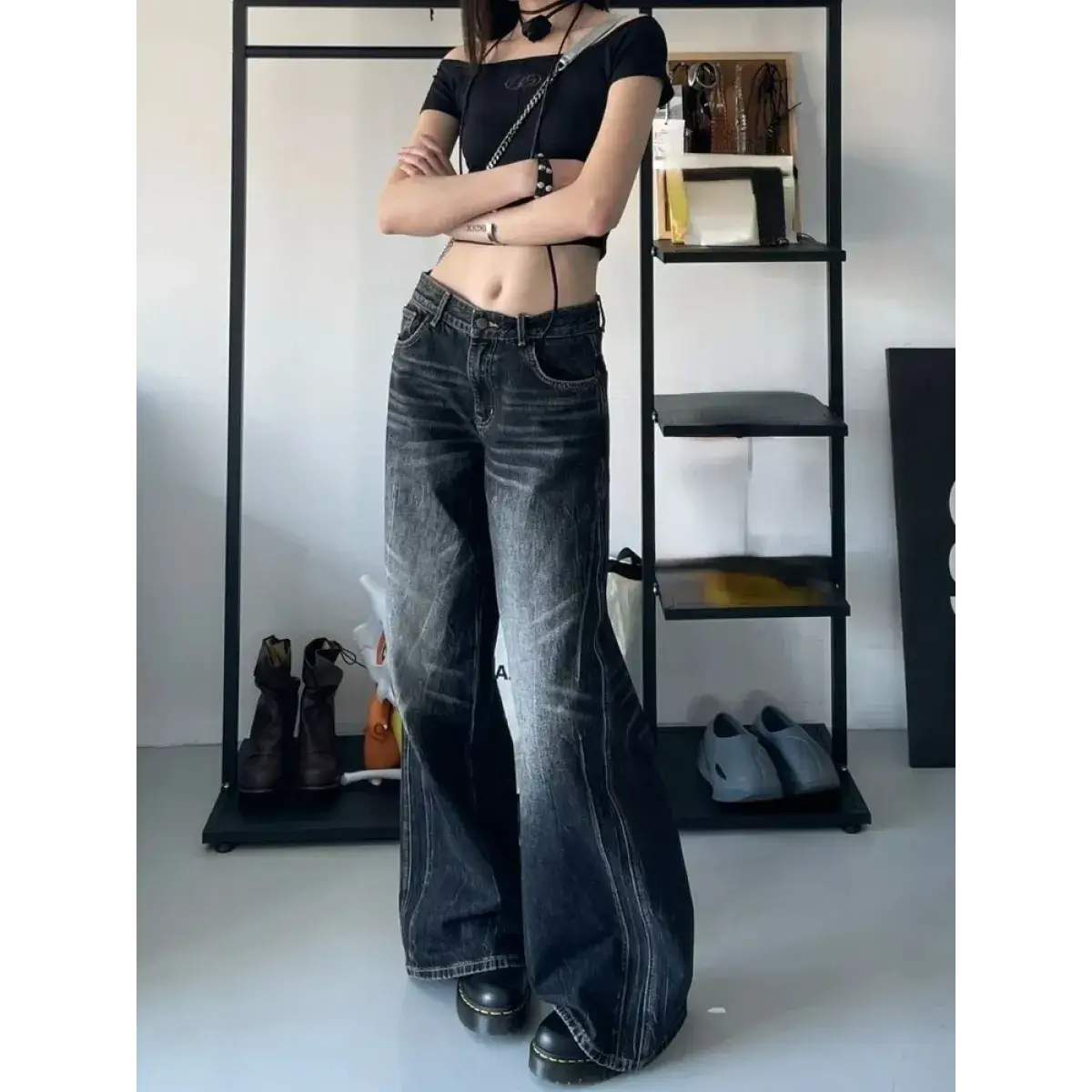
Quality denim does not have to be expensive. Our Women's High-Waist Denim Skinny Pants - Stretch Pencil Jeans offer high-elasticity cotton denim with a pencil leg, in sizes XS to 8XL. For a relaxed, vintage-inspired option, the High-Waisted Wide-Leg Denim Pants pair a defined waist with a comfortable wide leg, in sizes S to 3XL. Browse the full range to find the fit and wash that suits your wardrobe.